


Custom AI and automation for the operation you already run.
We help you see what AI makes possible, choose where to invest, and put it to work.
Where would a robot actually help?
We start with the task: tending a machine, handling parts, or catching defects. Then we design the cell, prove the fit, and keep it reliable, secure, and improving.How do we grow with the team we have?
We build robotic cells for the dull, dirty, and dangerous work people are ready to hand over. Custom AI puts answers and operating knowledge within reach—freeing your team to solve problems, develop skills, and spend more time on work that needs their judgment.
Physical AI.
Real-world impact.
Robotic cells and machine vision for better quality, earlier defect detection, and safer material handling. Intelligent RPA carries the results into your maintenance and business systems.
Industrial Intelligence
AI has changed what’s possible.
Your existing machine data, maintenance history, and quality records hold a wealth of untapped intelligence. We use predictive, explainable AI models and agentic workflows to unlock it—anticipating faults, identifying maintenance needs, and tracing causes across disconnected systems. New capabilities from the data you already have.
Already in your data.
Machine signalsMaintenance historyQuality records
Predictive & explainable AI
Anticipate faultsPlan maintenanceFind the cause
- Custom predictive AI models for machine and process data
- Explainable AI and agentic root-cause analysis
- Data engineering across PLCs, SCADA, historians, and ERP
- Custom AI tools that make operating knowledge available to your team
- AI deployment at the factory edge, in a private cloud, or in a secure cloud environment
Physical AI
Custom robotics. Integrated automation.
Put robotic cells to work tending machines and handling parts. Use machine vision to catch defects, check dimensions, and verify assembly. We connect those results to quality records, work orders, and business systems with intelligent RPA—so the next step happens with the right information. We commission it, train your team, and manage its performance, security, and reliability for the long run.
- Machine tending, handling, and packaging that free skilled hands
- Vision inspection to spot defects, verify assembly, and measure parts
- Guarding, sensing, and controls designed around the work
- Intelligent RPA for quality records, maintenance, and production reporting
- Commissioning, operator training, and full lifecycle management
Managed Intelligence
Monitor it.Maintain it.Secure it.
We manage your entire Physical AI and OT environment from cradle to grave. Our team understands the physical systems and production demands traditional IT support wasn’t built for. Monitoring, Cyber, maintenance, recovery, and continuous improvement are part of the design—and our responsibility through commissioning, upgrades, and secure retirement.
- Proactive health monitoring and maintenance
- OT cybersecurity, access control, and incident response
- Security assessments and compliance readiness
- Patch, firmware, and configuration management
- Backups, recovery, and change control
- AI model retraining, performance tuning, and continuous improvement
We augment humans.
We automate machines.

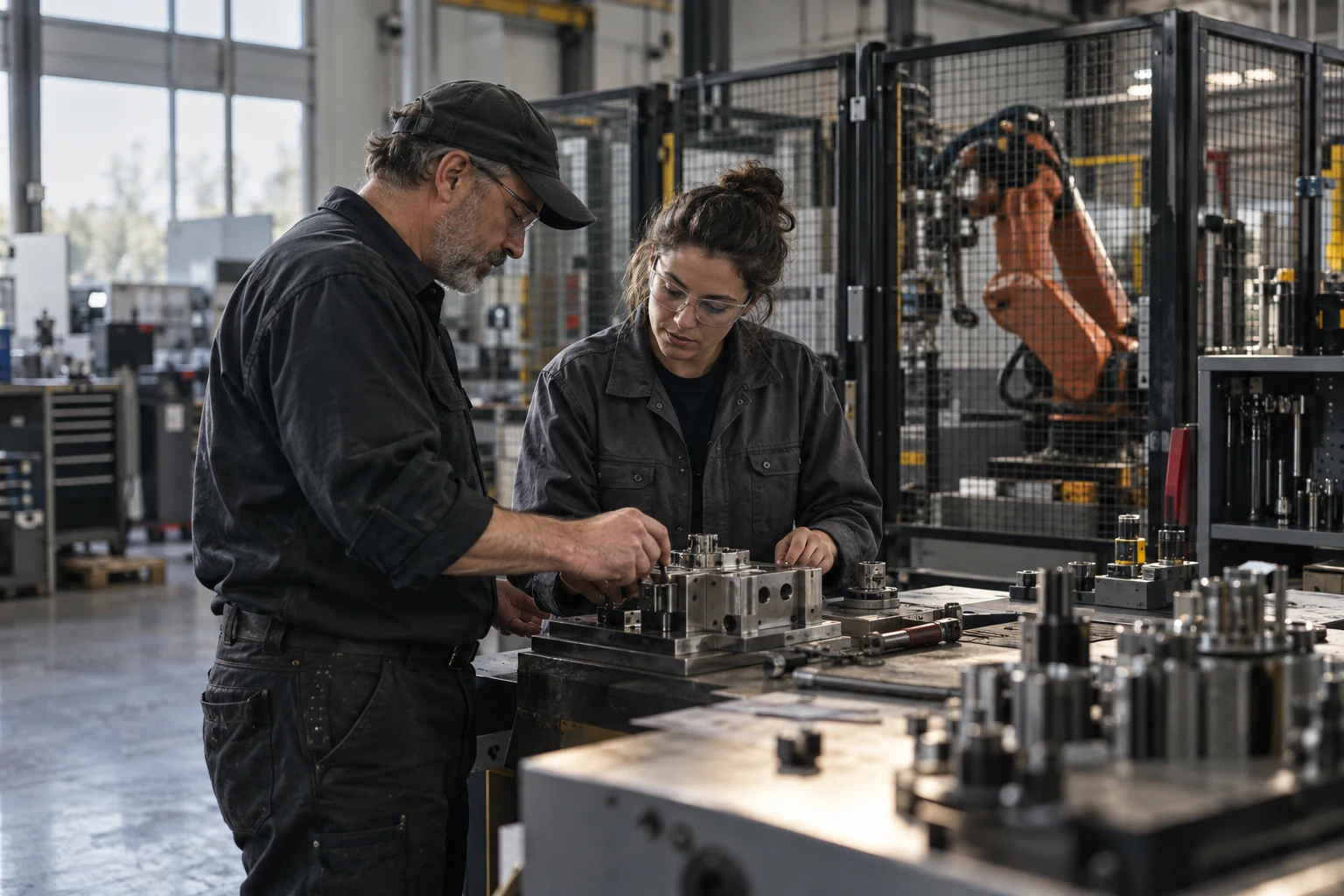
Technology should improve human lives. We design for the people who run your operation: less exposure to hazardous work, less daily frustration, and more room for skill and judgment. Your people help shape the change. The impact on their working lives is part of how we measure success.
Industrial by default.Secure by design.
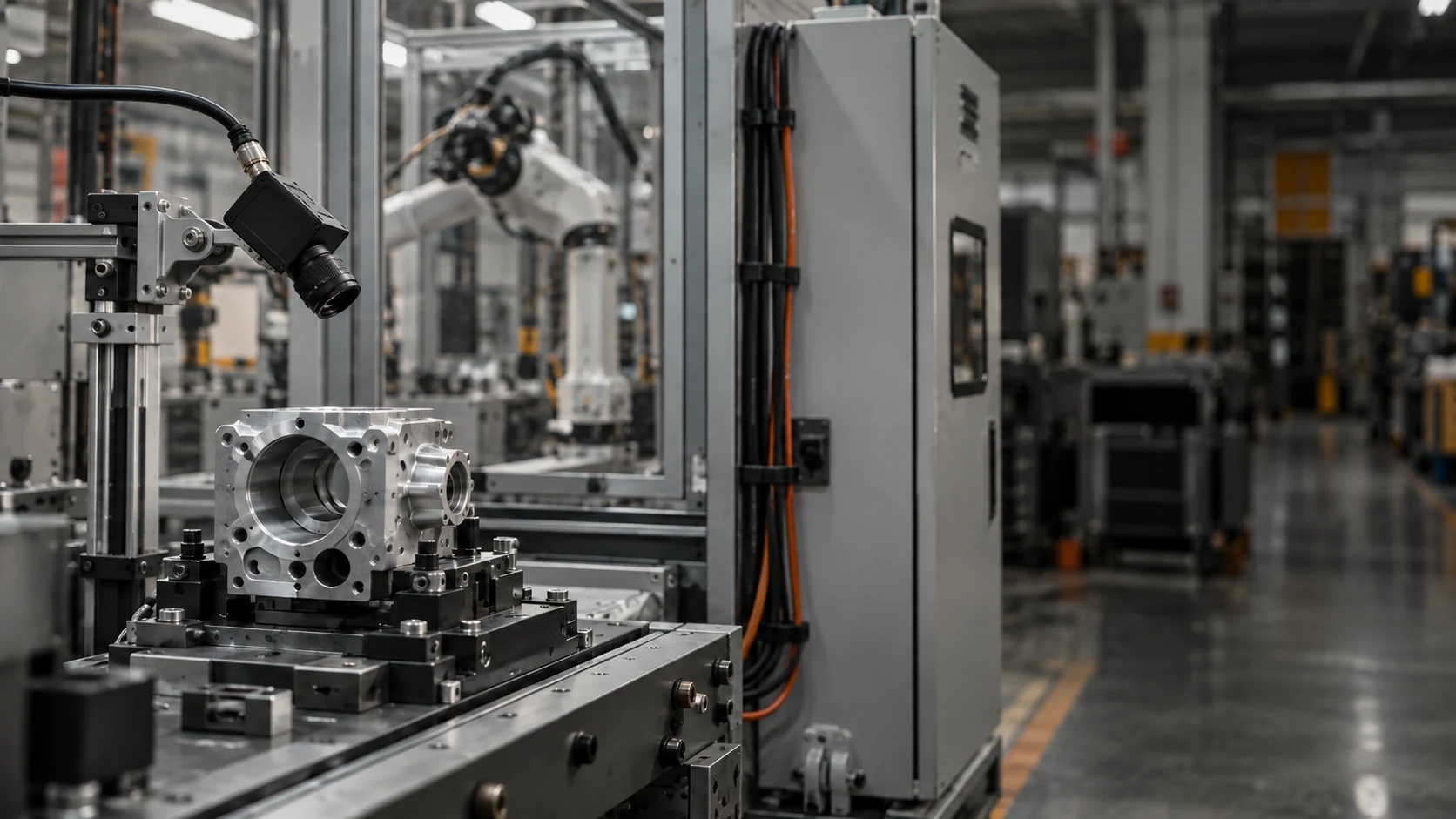
We monitor, secure, and manage your entire Physical AI and OT environment. Our team combines decades in critical infrastructure and Cyber with hands-on robotics and controls engineering. We help you meet demanding CMMC requirements and apply NIST OT security guidance to systems traditional IT support wasn’t built for.
Managed IntelligenceIndustrial applications
What would this change on your floor?
Fewer interruptions. More time for skilled work. Systems that stay connected, secure, and supported. Here’s what that looks like in the problems your team knows too well.
Less downtime
See trouble coming. Know where to look.
We train custom, explainable AI models on your machine data and operating history. Your operators get predictive warnings of developing faults and process upsets, with the evidence to investigate.
More capacity
Take repetitive work off skilled hands.
Put robots to work on the loading, handling, and inspection that tie up your people. We build and commission custom robotic cells with tooling, machine vision, and controls, then train your team to run them.
Less manual handoff
Stop moving the same data by hand.
A failed inspection should reach quality. A machine fault should reach maintenance. We connect inspection results, equipment alerts, and operating history to the people and systems that need them, with intelligent RPA handling the routine handoffs.
Managed OT
We should know before you have to call.
We monitor, secure, and maintain your entire Physical AI and OT environment, working to catch problems before they interrupt production. When something fails, we trace the cause and fix it remotely where possible—or get hands on.
Proven Outcomes
Predictive AI, explainable machine learning, and vision-guided robotics applied to real production problems. Prior work through University of Idaho research and industry collaborations.

AI predicts trouble before the dryer plugs.
~15 minadvance warning for steam-dryer operators
Deep-learning forecasts turn temperature, pressure, and flow data into predictive warnings of a steam-dryer plug. An operator-facing alert gives the crew time to intervene before a blockage forces a shutdown and hazardous cleanout.
Explore the case — Amalgamated Sugar
The challenge
A plugged steam dryer interrupts production and can require people to enter the equipment to clear it.
The engineering
A long short-term memory (LSTM) AI model forecasts process conditions from dryer sensor data. A monitoring model analyzes the signals every five seconds and translates the prediction into a clear warning for operators.
The result
The University’s February 2026 report describes around 15 minutes of warning as the team prepared the system to go live. Operators decide when to stop the dryer and investigate.
University of Idaho / CIIR
Read the University’s accountMachine vision meets custom robotics.
~75%less time on O-ring insertion
Custom pneumatic tooling took on the repetitive work of fitting O-rings into molded lids. Machine vision and a robotic arm extended the design toward automated assembly, combining sensing, software, and purpose-built tooling around the production task.
Explore the case — Injection mold company
The challenge
Manually fitting O-rings into molded lids tied up people in a repetitive assembly step.
The engineering
The project developed a 3D-printed pneumatic tool and a machine-vision robotic system designed to carry it. Tooling, camera guidance, and robot integration were refined with the manufacturer around its actual parts and process.
The result
Production use of the insertion device cut this process’s time by about 75%, with further improvements underway.
University of Idaho capstone
Find defect patterns with explainable AI.
Up to 19×faster computation in parts of the analytical method
Explainable AI combines association-rule mining and genetic algorithms to find patterns linked to defects in PCB production data. The output is a set of readable rules engineers can investigate, with targeted algorithm improvements making the analysis faster to run.
Explore the case — PCB manufacturing
The challenge
Large, noisy production datasets make it difficult to find the relationships behind failed tests and explain them to an engineer.
The engineering
The method combined quantitative association-rule mining with genetic algorithms, then improved initialization, mutation, and statistical calculations on a live production PCB dataset.
The result
The May 2026 dissertation reports up to 19× computational improvements in parts of the algorithm. The work demonstrates explainable manufacturing analysis.
University of Idaho · Doctoral research
Read the doctoral research
Machine learning finds the signals that matter.
Clearer signalssensor relationships linked to water-treatment upsets
Decision-tree and random-forest AI models turned plant sensor data into interpretable relationships between upstream conditions and treatment upsets. Those findings guide predictive AI research aimed at giving operators earlier warnings and better evidence for action.
Explore the case — Inland Empire Paper
The challenge
Changes upstream in a paper mill can disrupt water treatment, creating discharge-compliance risks and interruptions to the operation.
The engineering
Decision trees and random forests were applied to process events to identify influential sensor features. Forecasting methods were evaluated alongside this classification work to support future early-warning AI models.
The result
The April 2026 research poster reports findings about influential features and correlated process conditions. An integrated forecasting system remains a research objective.
University of Idaho / CIIR
Read the research posterHow we work
See what’s possible.
Know where to start.
The W/M Intelligence Transformation Methodology brings LEAN discipline, AI engineering, and decades of digital transformation into a repeatable approach. Together, we map the possibilities across your operation and turn them into a prioritized plan—with clear outcomes, investment decisions, and room to build on what works.
Discover and prioritize
Walk the floor with your team. Map the work, examine the data, and uncover opportunities across equipment, systems, and daily routines. Rank them by business value, feasibility, effort, risk, and human impact. You get a phased roadmap with measurable outcomes and clear decisions about what comes first.
Build, prove, and put it to work
Turn the priorities into predictive & explainable AI models, custom robotic cells, and connected workflows. Test against the agreed outcomes, commission in your environment, and work through the change with your people. Process redesign, safety, training, and adoption are part of the build.
Monitor, secure, and improve
We monitor, secure, and maintain your Physical AI and OT environment. We measure results against the agreed outcomes, learn from your people and production data, and revisit priorities as your operation evolves.
The platform we’re building
Intelligence for the
as-built industrial world.
Our forward-deployed scientists and engineers work alongside your team to understand the operation, set priorities, and expand what your people can do. WITNESS/OS is the central agentic platform we’re developing to carry that work across deployments, putting predictive insight, operating knowledge, and practical AI tools in operators’ hands.
Machines
& controls
& controls
Maintenance
& quality records
& quality records
Business
systems
systems

Discover. Connect. Understand.
Predictive AISee trouble coming.
Physical AIPut intelligence to work.
Managed OTKeep it secure. Keep it running.
Connected data.Explainable AI.Human judgment.
KAIZEN 2.0
Continuous improvement.
Always on.
Always-on AI agents look for waste, emerging problems, and improvement opportunities in your operating data—before the pain forces a stop. They bring the evidence and ideas to your people.
AI sees the opportunity. Humans make the call.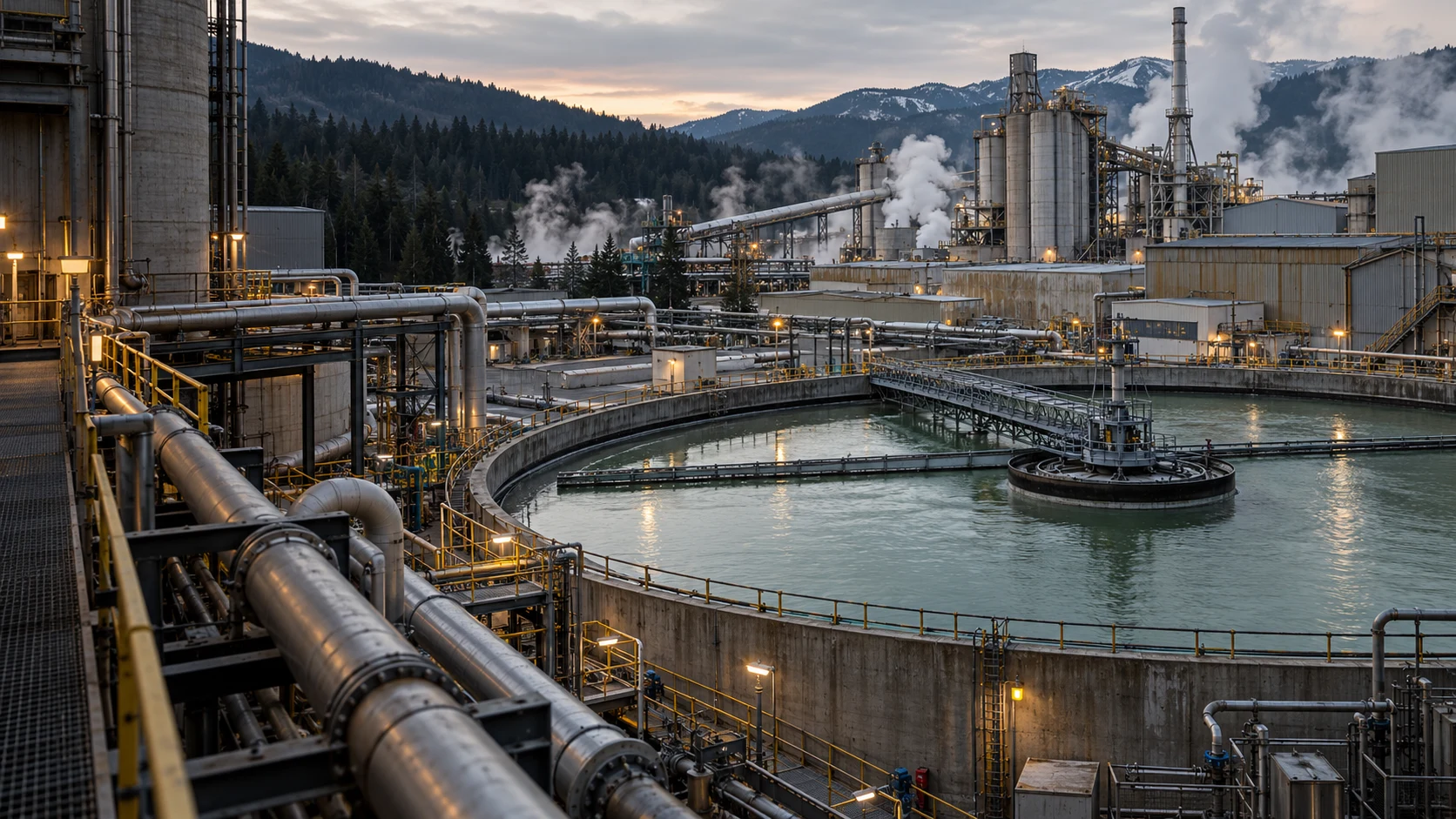
An Idaho AI company
Industry is
in our blood.
We come from the mills, mines, plants, and machine shops of the Inland Northwest. We’ve spent decades in steel toes and hard hats, keeping industrial operations running. That experience shapes every system we build—and how we stand behind it.
Food + agricultural processing
Plugging, yield, moisture, energy, packaging, and process variation.
Metals + precision manufacturing
Jams, tool wear, inspection, machine tending, and quality variation.
Water + wastewater
Treatment stability, changing loads, operator decisions, pumps, and process data.
Forest products + materials
Drying, process quality, material flow, equipment condition, and energy.
Utilities + critical infrastructure
Reliability, connected assets, operating constraints, and ongoing support.
Aerospace + defense supply chain
Inspection, traceability, production automation, secure access, and cybersecurity.
Built for Industry.With Industry.
 FOUNDING
DESIGN PARTNER
Our Design Partners help shape what industry can do next. A shared design/build investment brings your people together with our engineers and researchers to explore, prioritize, and build. Together, we turn the possibilities of modern AI and robotics into capabilities that were previously out of reach.
Inside the operation.
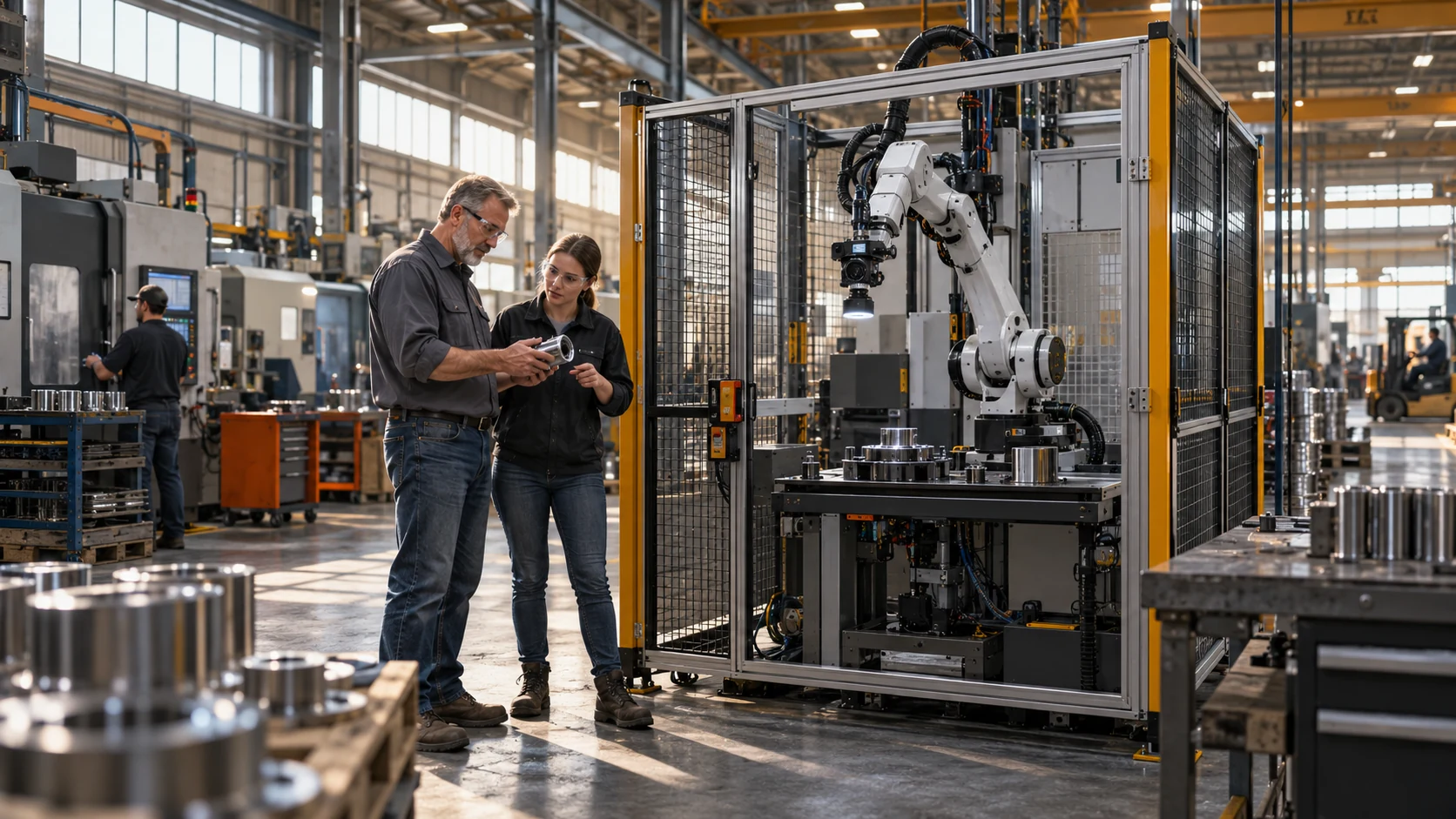
Your operators, engineers, and maintenance team shape the priorities. We work from real equipment, real constraints, and the knowledge already on your floor.
Invested in the build.
You bring access, time, and a design/build investment. We bring the engineers, researchers, and technical ownership to build, commission, and manage the system as your operation evolves.
Bigger than one plant.
We build for the job in front of us, with tools and methods that can carry into the next line, facility, or industry.
Partners in stealth.
 ForestProducts
 AdvancedManufacturing
 Aerospace
 Smelting &Fabrication
 DefenseIndustrial Base
Build the future with us.
We’re selectively welcoming additional Design Partners: curious people, ambitious teams, and a willingness to reach beyond how things have always been done. Let’s build something your industry hasn’t been able to do before.
Founding Team
AI researchers, robotics engineers, and technology operators. We bring custom AI model development, physical systems engineering, and decades of managed services and cybersecurity experience to the same table.

Alex Stanton
Company building, enterprise strategy & AI
Alex started Exbabylon at 14 in rural Idaho, building a 2x Inc. 5000 IT and cybersecurity company and 3x INW Best Places to Work winner. He exited to a North American managed-services platform and served as its CIO with 5,500 SMBs under management. His two decades supporting aerospace, advanced manufacturing, mining, and critical infrastructure include MEP-funded CMMC readiness work. Along with his AI security research, he brings extensive M&A and PE/VC advisory experience. He is Director of Strategy at the Foundation for Agentic Networks (Cambridge) and a Fellow at Gonzaga University’s Institute for Informatics and Applied Technology.
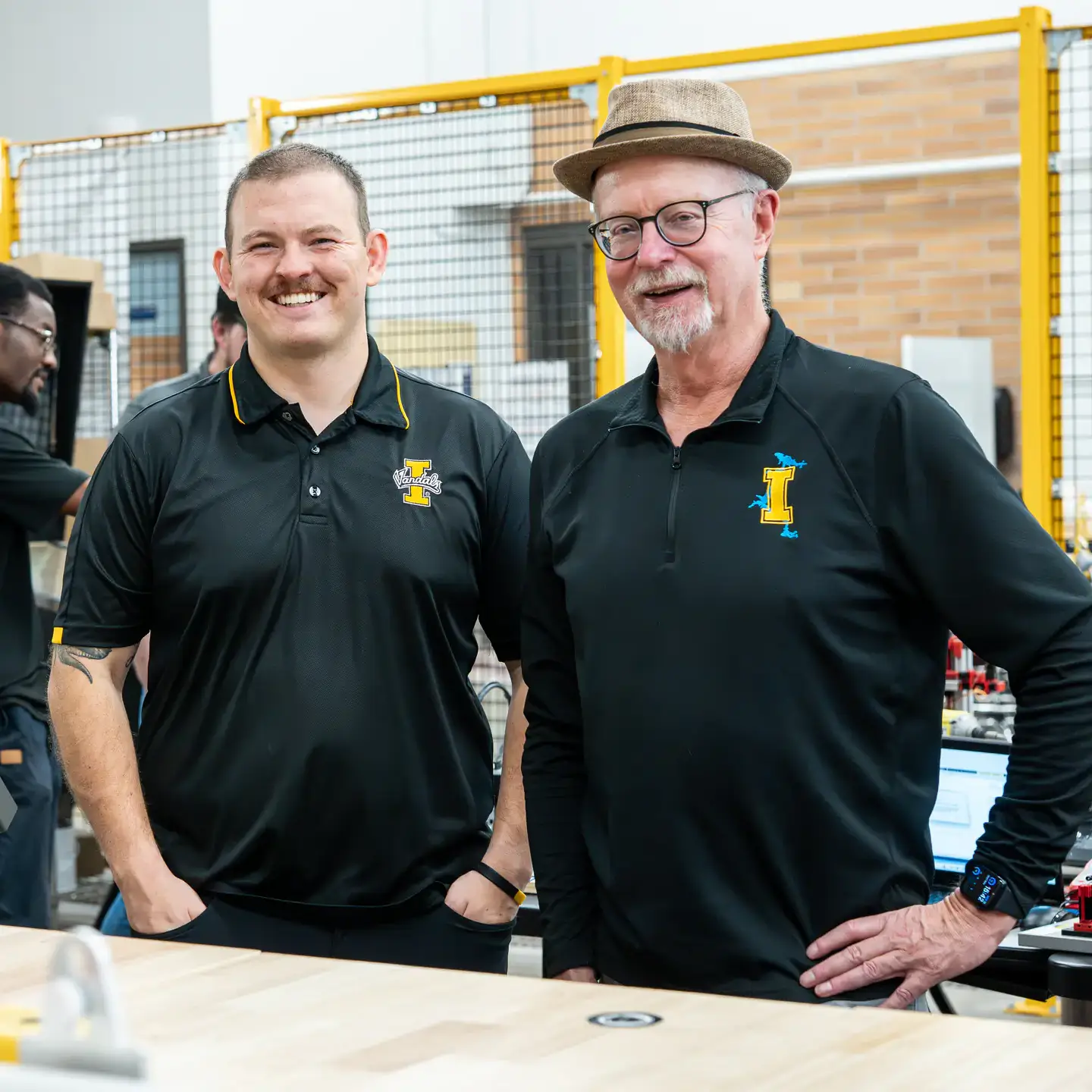
John Shovic, PhD
AI, robotics & technology ventures
John builds companies around hard technical problems. A serial founder with more than three decades in industry, he has co-founded ventures in cybersecurity, semiconductors, and water treatment—including TriGeo Network Security, later acquired by SolarWinds. He brings experience turning university research into commercial products and taking companies through an exit. Today, he directs the University of Idaho’s Center for Intelligent Industrial Robotics. At WITNESS/MARK, he connects deep AI, robotics, and cybersecurity expertise with the judgment to build technology that industry can use.
Hunter Hawkins, PhD
Predictive AI models & industrial machine learning
Hunter develops machine-learning methods for industrial processes. His doctoral research combined machine learning, deep learning, and industrial operating data to anticipate disruptive events in continuous manufacturing. He brings the AI model-building and evaluation discipline needed to find useful signals, test a prediction, and understand how performance changes with the process.
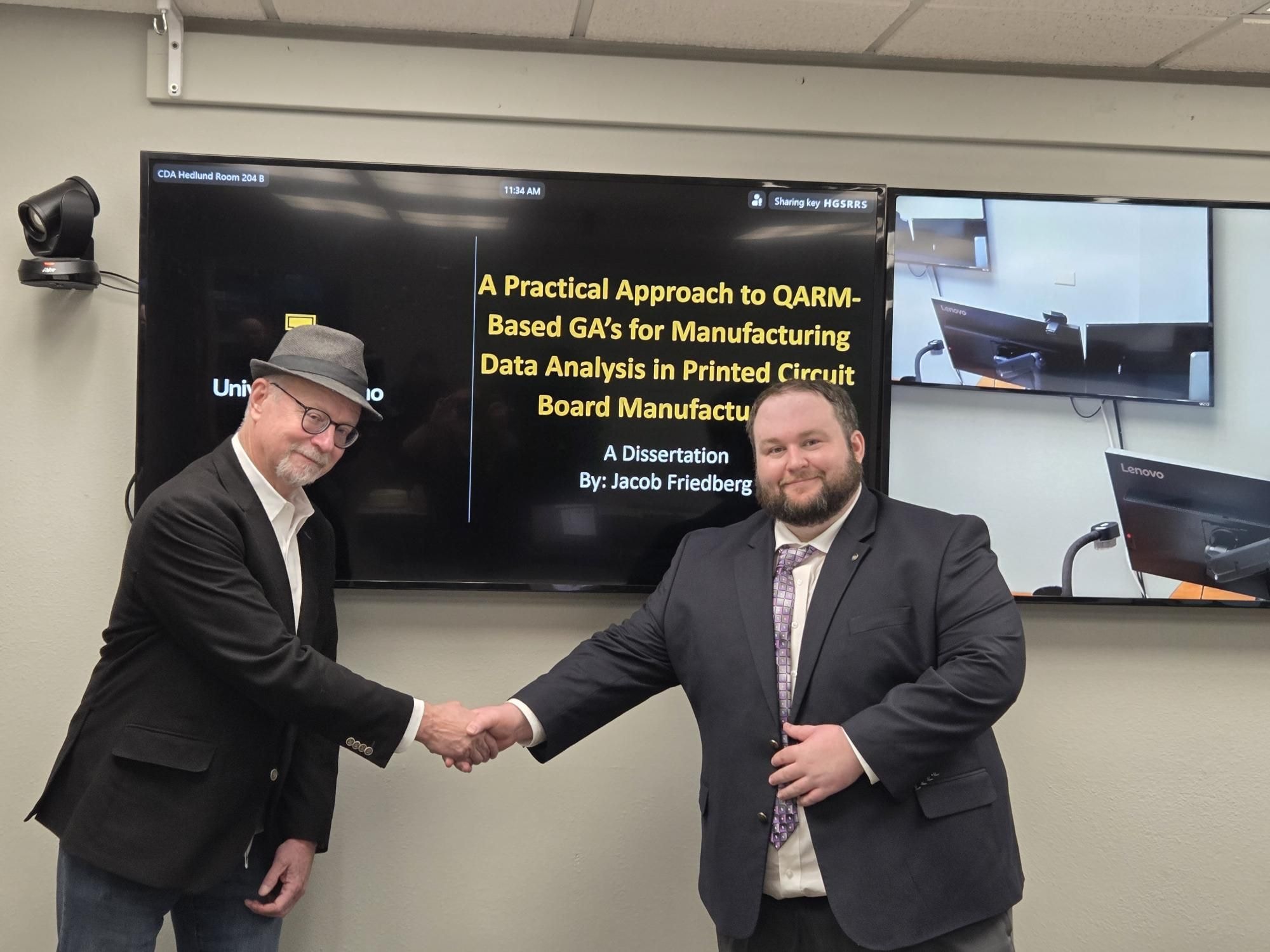
Jacob Friedberg, PhD
Explainable AI & manufacturing quality
Jacob develops interpretable methods for understanding manufacturing data. His doctoral research examined electronics production quality using association-rule mining and genetic algorithms. His focus is on making complex analysis useful to engineers: finding relationships in production data, explaining what an AI model has found, and improving the practicality of running that analysis.

Stealth Engineer
Robotic Cells & Machine Vision
He builds automation around real production tasks. His engineering work combines custom tooling, pneumatics, machine vision, and robotics, including robotic packaging equipment. He brings hands-on mechanical and integration experience to the point where parts, sensors, controls, and software have to work together as a commissioned system.
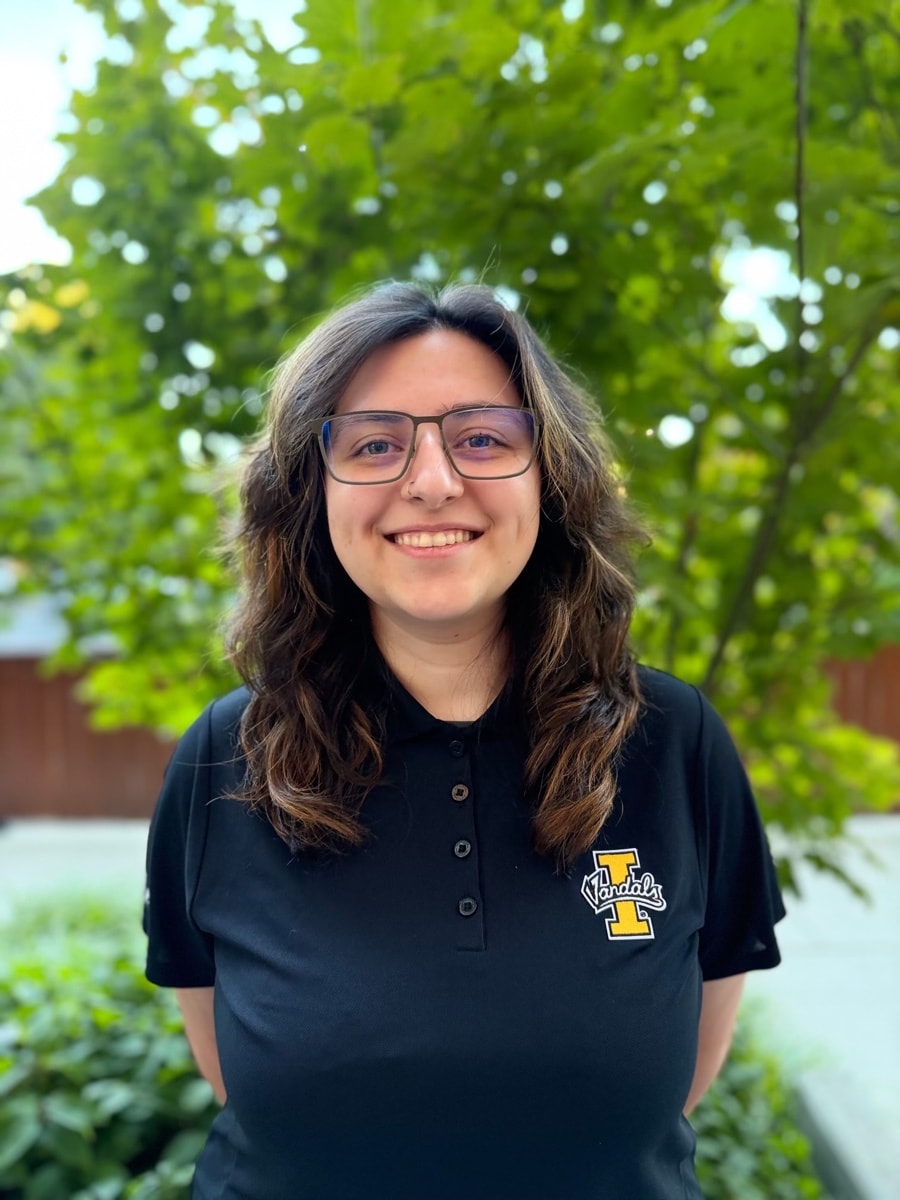
Kris Olds
Robotics integration & software quality
Kris holds a master’s in computer science from the University of Idaho and works across robotics, hardware integration, and software testing. That background connects the physical system to the software controlling it. Kris brings a focus on quality assurance and repeatable processes that make an engineered system easier to deliver and maintain.
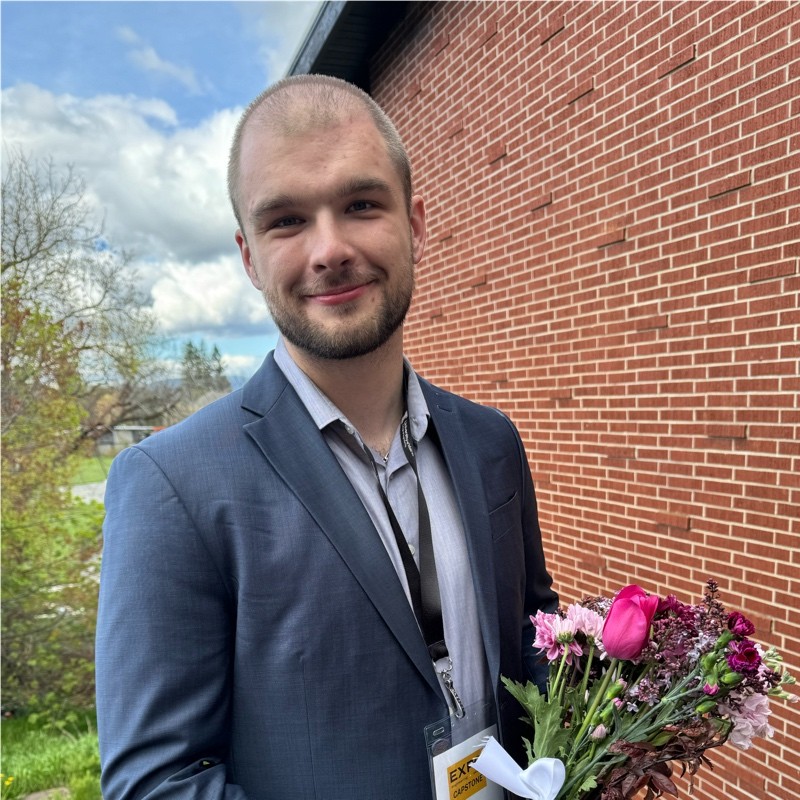
Dawson Burgess
Controls, machine vision & connected systems
Dawson connects industrial equipment, operating data, and software. His work spans machine-data collection, AI-assisted engineering tools, and robotic cells, alongside doctoral study at the University of Idaho. He brings controls, vision, and systems integration together so that data can move from equipment into useful applications and automation can act on the result.

Bring us the problem that costs time, yield, or... sleep.
Show us the floor. Tell us what drives you nuts—and what you’ve always wanted to do. AI has changed what we can build. Let’s see what that opens up for your people, your equipment, and your business.
Say hello. Let’s walk the floor.